
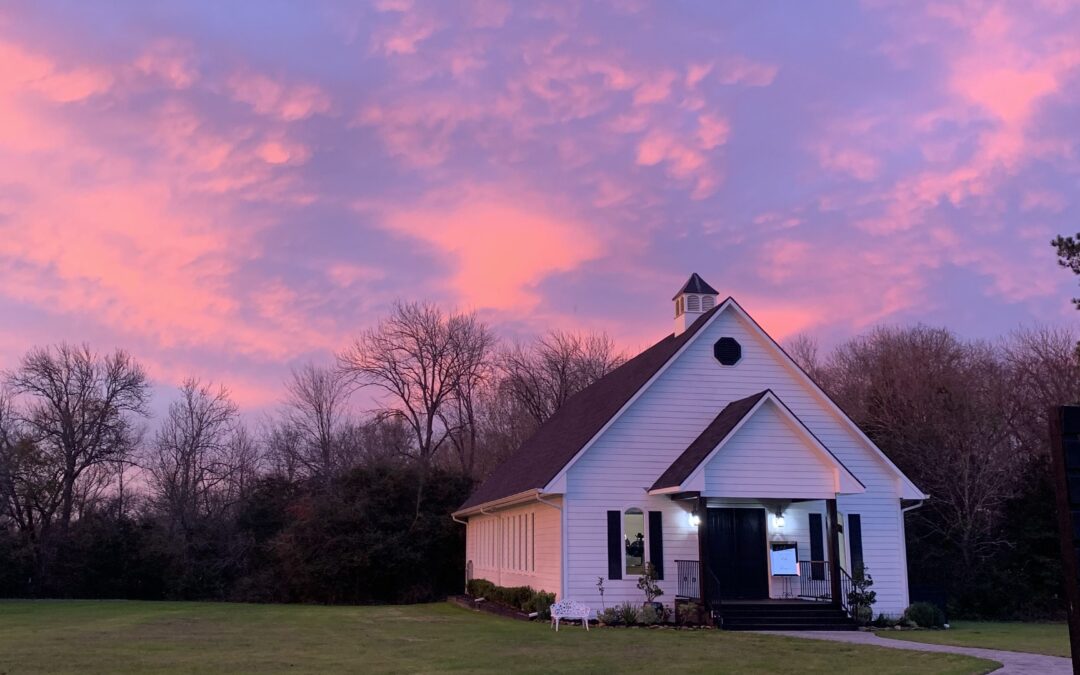
The moment your guests step from a romantic chapel ceremony into a beautifully prepared reception, the day takes on a special rhythm. That is why so many couples search for how to plan a chapel reception wedding – they want a celebration that feels graceful, cohesive, and easy for everyone attending. When the ceremony and reception are planned with intention, the result is not just convenient. It feels elevated from beginning to end.
Start with the flow of the day
The best chapel reception weddings are built around movement. Guests should always know where they are going next, and each part of the celebration should feel connected to the one before it. That starts with choosing a setting where the ceremony and reception spaces complement each other in style, scale, and location.
A dedicated chapel brings a sense of romance and tradition that many couples still want, even when they prefer a modern reception afterward. The reception space, however, needs to do different work. It must welcome dining, toasts, dancing, and conversation without feeling cramped or disconnected from the emotion of the ceremony. When both spaces live on one property, the day usually feels more polished and less rushed.
This is also where planning becomes more practical. A single venue often means fewer transportation issues, fewer timing gaps, and fewer chances for guests to feel lost. For couples hosting family from Houston, The Woodlands, Magnolia, or surrounding areas, that simplicity matters more than it may seem at first.
How to plan a chapel reception wedding with the right venue
Venue selection shapes nearly every decision that follows. If you begin with a chapel you love but no clear reception plan, or a stunning ballroom without a meaningful ceremony space, you can end up forcing two separate visions together. A stronger approach is to look for a property where the chapel and reception hall already feel like part of one wedding story.
Pay attention to proportion. An intimate ceremony in a chapel can feel deeply personal, but if the reception room is far too large or too plain by comparison, the mood can shift too abruptly. The opposite can also happen. A dramatic reception space deserves a ceremony setting that creates the same sense of occasion.
You will also want to consider the guest journey. Where will guests park, gather, and transition after the ceremony? Is there an outdoor courtyard, patio, or scenic area where they can enjoy a cocktail hour while the reception space is finalized? Are there bridal and groom suites that give each part of the day a calm, private place to unfold? These details may sound secondary, but they often determine whether the event feels effortless or overcomplicated.
Build your timeline around comfort, not just tradition
A beautiful wedding day is not measured only by what appears in photos. It is also shaped by pace. One of the smartest ways to approach how to plan a chapel reception wedding is to create a timeline that protects the experience for both you and your guests.
If your ceremony begins late afternoon, your reception can flow naturally into dinner and dancing without a long lull. That tends to work especially well for chapel weddings because candlelight, floral arrangements, and warm interior lighting all feel richer as the day moves toward evening. A midday ceremony can be lovely too, but it often requires more thought around guest transition and reception energy.
Photography should be part of this conversation early. If you want portraits in landscaped outdoor spaces, by water features, or in soft sunset light, leave room in the schedule for them. Some couples handle most formal portraits before the ceremony to make the reception feel more relaxed. Others prefer a private post-ceremony moment and do portraits during cocktail hour. There is no universal answer here. It depends on your priorities, your guest count, and how much uninterrupted time you want during the reception itself.
Keep the design cohesive from chapel to reception
A chapel ceremony and a reception do not need to look identical, but they should feel related. Think of the ceremony as the emotional opening and the reception as the fuller expression of your style. The details should carry a common thread.
Florals are one of the easiest ways to create that continuity. Arrangements near the altar can often inspire centerpieces, sweetheart table styling, or entry displays in the reception area. Your color palette should move naturally across both spaces, even if the reception includes a richer or more layered version of it. Soft neutrals, classic whites, greenery, and muted blush or blue tones often work beautifully in chapel settings, then expand elegantly into reception decor.
Lighting matters just as much. Chapel spaces usually offer a serene, romantic atmosphere. Your reception should maintain that feeling while adding warmth and celebration. Candles, chandeliers, and carefully chosen uplighting can bridge the two environments without making the evening feel overdone.
The key is restraint. Couples sometimes feel pressure to create a dramatic visual shift between ceremony and reception, but too much contrast can make the event feel disjointed. A refined wedding usually feels intentional, not crowded with competing ideas.
Plan for guest experience at every transition
When couples picture their day, they often focus on the walk down the aisle, the first dance, and the final send-off. Guests, however, remember the transitions. They notice whether there is a natural place to gather after the ceremony, whether the evening moves comfortably, and whether the environment feels welcoming from start to finish.
That is one reason chapel reception weddings are so appealing. When planned well, they eliminate unnecessary travel and keep everyone immersed in the celebration. If there is a gap between ceremony and dinner, make it feel purposeful. A courtyard cocktail hour, passed hors d’oeuvres, signature drinks, or a scenic outdoor photo moment can keep the energy high while allowing the reception room to be fully prepared.
Accessibility is also worth discussing early. Older relatives, families with children, and out-of-town guests benefit from a layout that is simple to understand and easy to move through. An elegant wedding should still feel comfortable. Luxury is not only about appearance. It is also about ease.
Choose reception details that fit the chapel setting
Some reception styles pair more naturally with a chapel ceremony than others. A formal seated dinner often complements the classic feel of a chapel wedding, especially if you want the day to feel timeless and structured. A more relaxed dinner with an energetic dance floor can work beautifully too, but it should still honor the tone set by the ceremony.
Music is one place where balance matters. The ceremony may be soft, reverent, and traditional, while the reception becomes lively and celebratory. That contrast is welcome, but the transition should feel smooth. Your grand entrance, dinner music, and first few reception moments help bridge the emotional shift.
Food and beverage should match the overall atmosphere. Couples planning an elegant chapel reception wedding often want service that feels generous and polished without becoming overly formal. Buffet service, plated dinner, or stations can all work depending on guest count and room layout. What matters most is that the service style supports the evening rather than interrupting it.
How to plan a chapel reception wedding without overspending
A refined wedding does not require wasteful spending. In fact, one of the best planning decisions is investing in the elements guests truly experience – a beautiful setting, a comfortable reception space, good lighting, thoughtful hospitality, and a smooth timeline.
Couples often spend too much trying to transform spaces that already have strong architectural character. If your chapel is elegant and your reception hall is already designed for weddings, you can let the venue do more of the visual work. That usually frees your budget for florals, photography, entertainment, or guest comfort.
It also helps to prioritize pieces that can serve more than one purpose. Ceremony florals may be repurposed at the reception. A scenic outdoor area may double as a portrait location and cocktail hour backdrop. Suites for getting ready can add convenience while also creating beautiful photo opportunities. When one setting supports multiple parts of the day, value becomes much easier to see.
For many couples, this is where a full-site venue becomes especially appealing. A property designed for both ceremony and reception can deliver the upscale experience people want while reducing the hidden costs and complications that come with piecing multiple locations together.
Make room for meaning
The most memorable chapel reception weddings are not only beautiful. They feel personal. That might mean incorporating a family prayer, choosing ceremony music with sentimental value, displaying wedding photos from parents or grandparents, or designing a reception that reflects the way you actually love to celebrate.
Elegance should never feel stiff. The chapel gives the day a sense of reverence and romance, while the reception allows your personalities to come forward. When those two sides are planned with equal care, the celebration feels complete.
If you are choosing between convenience and beauty, look for a setting that offers both. That balance is often what turns a lovely wedding into a truly unforgettable one. The right chapel reception plan lets you stay present, welcome your guests well, and enjoy every moment in a space that feels worthy of the day.